
Newsletter: January 2026
A new year brings new perspectives – wishing our Junior IMHI community a wonderful start to 2026!
This January newsletter edition unpacks hospitality design trends & takeaways from Maison&Objet 2026, alongside insights drawn from our end-of-year hotel visits. May these perspectives spark ideas and conversations for the year ahead.
Maison&Objet 2026
Held in Paris from 15–19 January 2026, Maison&Objet once again affirms its role as a global reference point for interior design, decoration, and the art of living. Twice a year, the fair brings together designers, architects, brands, and creative studios to showcase new objects, materials, and spatial narratives, offering a snapshot of how interiors are evolving across residential, retail, and contract spaces.
For hospitality professionals, Maison&Objet is a true laboratory of atmospheres. Hotels, restaurants, and hybrid spaces increasingly draw from the same design languages explored at the fair: expressive materials, immersive scenography, and emotionally driven interiors. The January 2026 edition made this connection especially visible, with hospitality emerging as one of the most fertile grounds for experimentation.
Uchronia’s Surrealist Hotel Room: A Stay Outside of Time
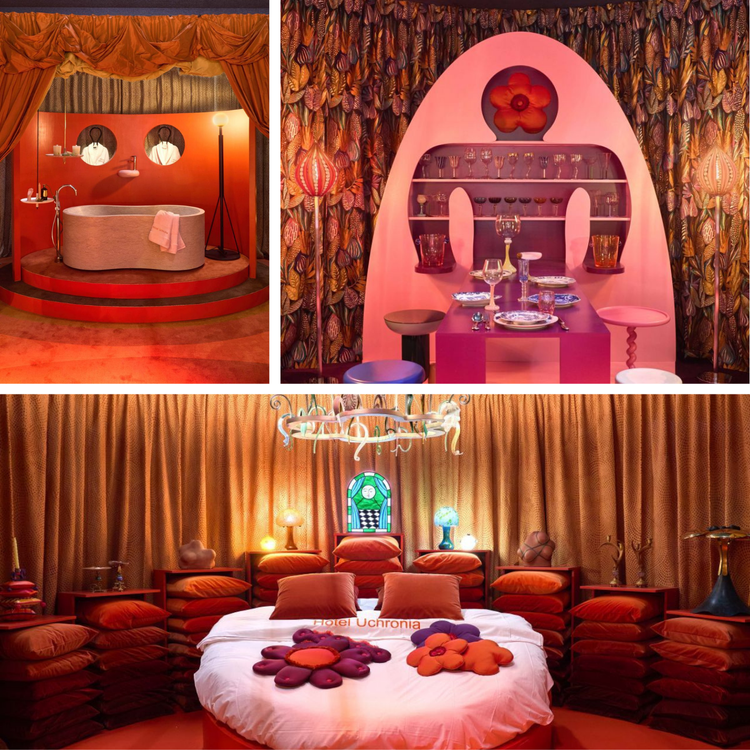
This experimental spirit found its most striking expression in the What’s New? In Hospitality space curated by Uchronia, which transformed the idea of a hotel room into a fully immersive, surrealist environment.
Designed by Julien Sebban, the installation imagined a 200-square-meter hotel where reality is deliberately distorted. Walls dissolve into fabric, volumes curve and breathe, and the architecture itself feels fluid rather than fixed. Light, sound, scent, and texture work together to create a sense of suspended time – less a room to occupy than a world to enter.
This is not hospitality designed for efficiency, but for emotion. The bar shifts identity from day to night through precise lighting and chromatic transitions; the master bedroom is staged like a theatrical set; the bathroom becomes an art object; even the gym and spa are reinterpreted as playful, dreamlike spaces. Uchronia’s vision suggests a future in which hotels operate less as neutral containers and more as experiential narratives – places that leave a psychological imprint long after check-out.
Hospitality Design Trends to Watch in 2026
Beyond this singular installation, Maison&Objet 2026 revealed several broader design directions set to shape hospitality interiors in the years ahead.
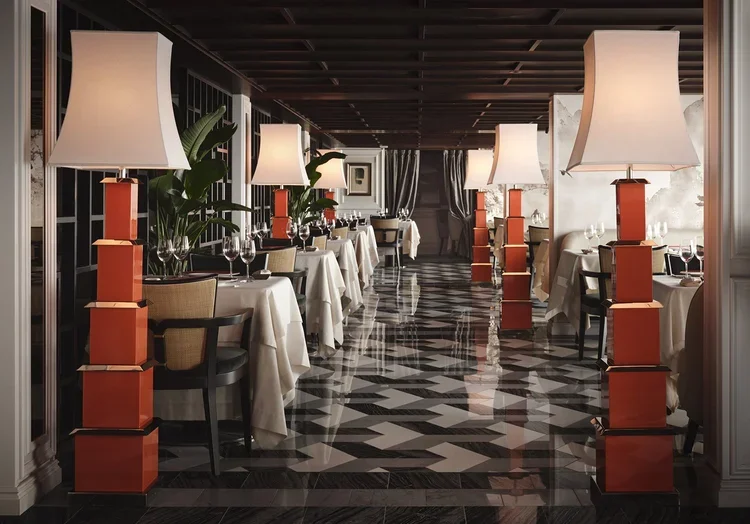
The Return of Expressive Maximalism
After years of visual restraint, boldness is reasserting itself. Rich colors, layered patterns, and unexpected material pairings are being used not as excess, but as tools for storytelling– giving hotel interiors stronger identities and a sense of narrative depth.
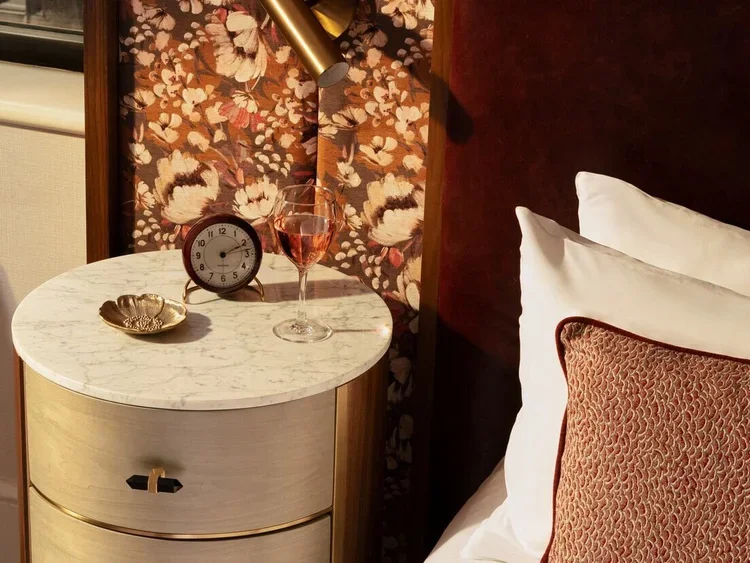
Sensory and Hyper-Personalized Environments
Hospitality spaces are increasingly designed to adapt to guests and moments. Lighting, scent, acoustics, and spatial sequencing are choreographed to evolve throughout the day, embedding personalization directly into architecture and interiors rather than relying solely on technology.
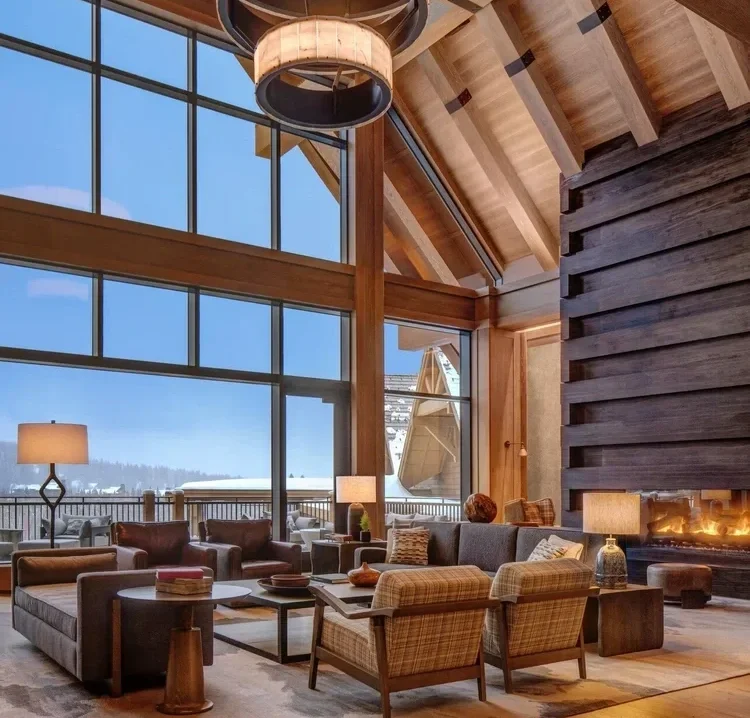
Emotion, Memory, and a Sense of Place
Hotels are being conceived as emotional landscapes rather than neutral backdrops. Local craftsmanship, cultural references, and narrative details anchor spaces in memory, shifting the focus from generic luxury to environments that feel intimate, meaningful, and distinct.
A Tale of Two Icons: Junior IMHI Visits Le Fouquet’s & Four Seasons George V
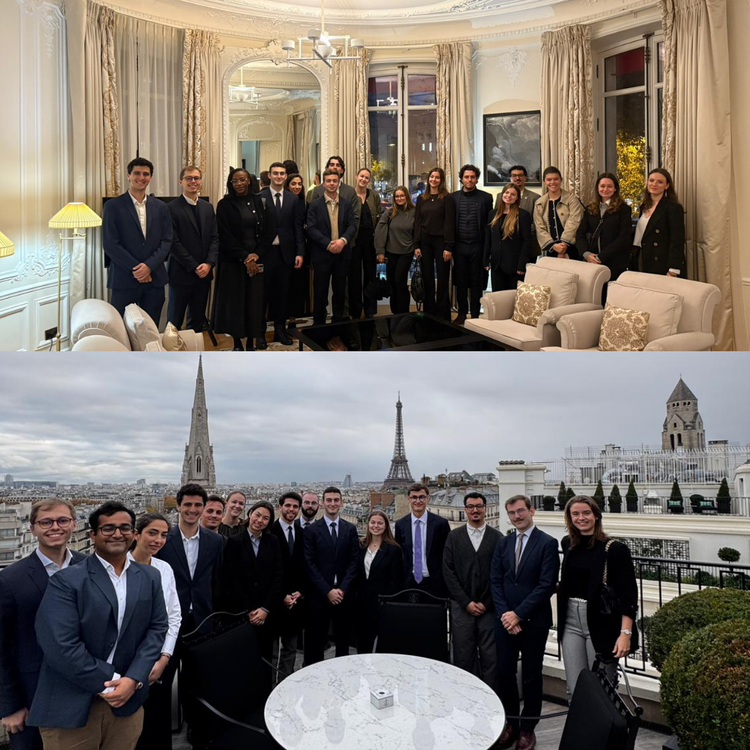
To close out the last year, the Junior IMHI team had the privilege of stepping inside two of Paris’s most legendary addresses: Le Fouquet’s and the Four Seasons Hotel George V.
Located just a stone's throw from one another in the Golden Triangle, these two hotels share a prestigious location and iconic status, yet what stood out most was the contrast in their current trajectories.
The Four Seasons George V: Fresh from a redesign, the hotel feels settled in its greatness. The new design approach moves away from traditional hotel layouts, favouring a "private apartment" feel that emphasizes residential comfort over fleeting awe.
Le Fouquet’s: With Le Fouquet, however, there is a sense of anticipation regarding how the hotel will transform to better resonate with the contemporary traveller and solidify its Palace status. It is a property on the cusp of a defining new era.
While the George V focuses on the serenity of a finished masterpiece, Le Fouquet’s offers the dynamic excitement of evolution. Both are striving for perfection, but their contrasting journeys offer a fascinating comparative study for any hospitality student.
Here is to a New Year of insights and innovation in hospitality!