
Newsletter: November 2025
This November, we’re bringing fresh perspectives and new energy to the world of hospitality. Explore stories on capsule hotel living, the rise of slowmadism, and the dynamic collaborations between sports and hospitality. Join us in welcoming the new consultants as they become part of the Junior IMHI team.
Capsule Hotels - A Real Customer Testimonial

38 euros a night for a hotel in Copenhagen sounds too good to be true. 38 euros a night for a bottom bunk in a hostel might be a fair price, but 38 euros for a hotel? Any type of accommodation in central Copenhagen at that price might sound impossible to find, but this seemingly remarkable deal is exactly what allowed me to stay within my budget on my recent trip to the capital of Denmark. There’s just one small precision to make: the hotel I stayed in was a capsule hotel.
An invention born in Osaka, Japan in 1970, capsule hotels are characterised by their minimalist concept: rooms reduced to simple stacked cabins, offering just the space needed to sleep. They were initially designed for salarymen who had missed their last train, but their popularity has grown significantly over the past decade– in 2024, the global capsule hotel market was valued around USD 260 million, and is expected to reach USD 430–450 million by 2030, growing at a CAGR of 8–9 %. According to a report by Grand View Research (Capsule Hotel Market (2025 - 2030) ) the remarkable growth in the capsule hotel market can be linked to changing customer behaviours, who prioritise affordability and convenience. The shift towards minimalism and cost-efficiency is a particular driver of the evolution among millennials and Gen Z, who value functionality and unique experiences.
At the capsule hotel that I stayed at in Copenhagen, CityHub (which has 3 others locations in Amsterdam, Reykjavik and Rotterdam), I enjoyed a sauna, fully-stocked bathrooms with an aesthetic, sleek design, a bar, 24-hour café, and a customisable ambiance in my pod, with remote-controlled light and music features. CityHub offers the solution for travellers increasingly seeking "affordable luxury". These amenities along with essential comforts– high-speed Wi-Fi, storage, and smart controls– make capsule hotels like CityHub ideal for millennials, Gen Z, and digital nomads. As a 21-year-old solo traveler, it seems as if I was the ideal client: about 70% of guests are solo travelers, and nearly 40% are aged 18–24. Being a typical Japanese form of accommodation, Asia-Pacific remains the largest market (≈ 58 % share) with emerging markets in India and Indonesia. North America and Europe, however, are expanding rapidly as metropolitan cities such as London, New York, and Vancouver embrace the model. I was a bit surprised to see a capsule hotel in Copenhagen, given its difficult accessibility for budget travelers. I was so impressed by my stay, however, that I started looking at flights to Reykjavik (one of CityHub’s other locations) on my way to the airport back to Paris.
10 years ago, I would have been too intimidated by the futuristic concept of sleeping in a capsule. It’s clear, though, that this sector is one to watch: capsule hotels are evolving from budget lodging into a stylish, sustainable, and tech-driven micro-hospitality sector, redefining how travellers experience compact living.
Insights inspired by experience, by Isabella Helton
Capsule Hotel Market - In Deep Analysis (2024); Capsule Hotel Market Size and Share (2025); Global Industry Size, Share, Trends, Opportunities and Forecast (2025)
Word of the Month

Slowmadism: The digital nomad evolved.
Slowmadism slows the passport stamp chase. Instead of hopping every few weeks, slowmads plant themselves for months - soaking in a neighbourhood, hitting the same cafe, making real friends. Hotels are catching on: co-working spaces that feel like home, partnerships with local chefs, and programs that connect guests to the community rather than isolating them in lobby lounges. For properties, it's not transactional anymore. Slowmads spend deeper, stay longer, and they're loyal to places that feel like theirs.
Top Picks: When Sports Meet Hospitality
Hotels are embracing the world of sport, partnering with athletes and performance brands to craft lifestyle-led experiences that fuse wellness, luxury, and identity.
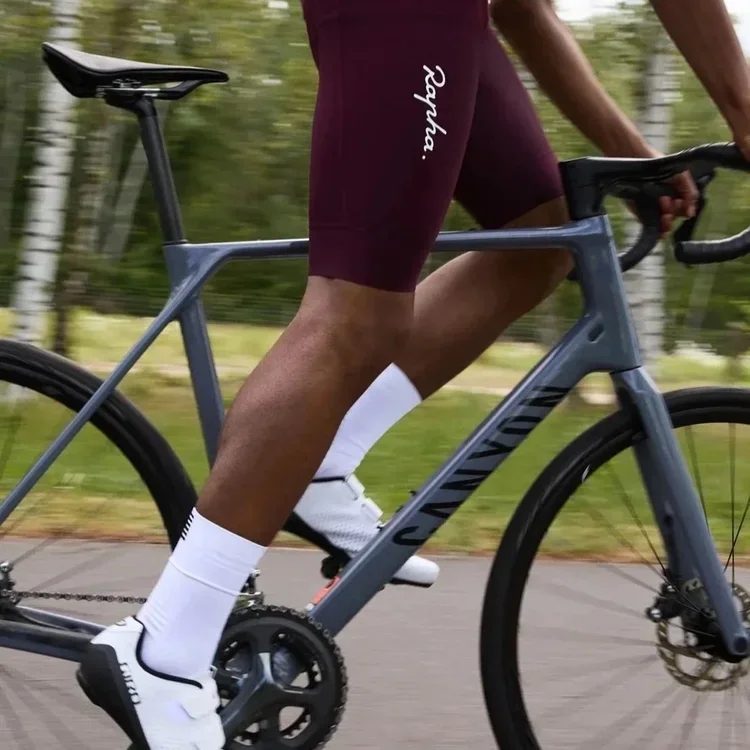
Viceroy x Rapha
Viceroy Hotel Group announced its partnership with premium cycling brand Rapha in mid-2025, introducing some curated cycling experiences and amenities across properties in the US and Europe. By engaging Rapha’s dedicated global community, Viceroy extends its reach into a high-value lifestyle segment and reinforces its image as a complete brand rooted in design, movement, and connection.
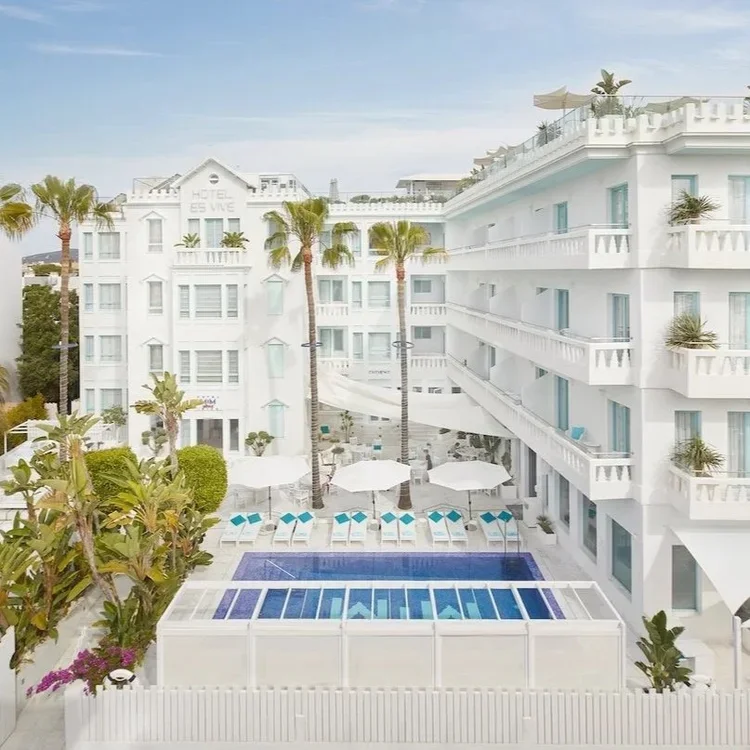
Meliá x MiM Hotels
In October 2025, Meliá Hotels International revealed it would take over management of Lionel Messi’s MiM Hotels portfolio under The Meliá Collection from 1 November 2025. The acquisition highlights how major hotel groups are using celebrity-driven brands to diversify their portfolios, attract younger luxury travellers, and blend sport with hospitality prestige.

Aman & Ambassadors
Aman has worked with tennis legends Novak Djokovic and Maria Sharapova as their Global Wellness Advisors, contributing their expertise in nutrition, mindfulness and physical conditioning to bespoke guest programmes. These collaborations reinforce Aman’s evolution into a truly aspirational lifestyle brand by aligning its luxury retreats with the high-performance ethos and global recognition of a sports icon, signalling to guests that the brand stands for refined wellbeing, discipline and elevated living.
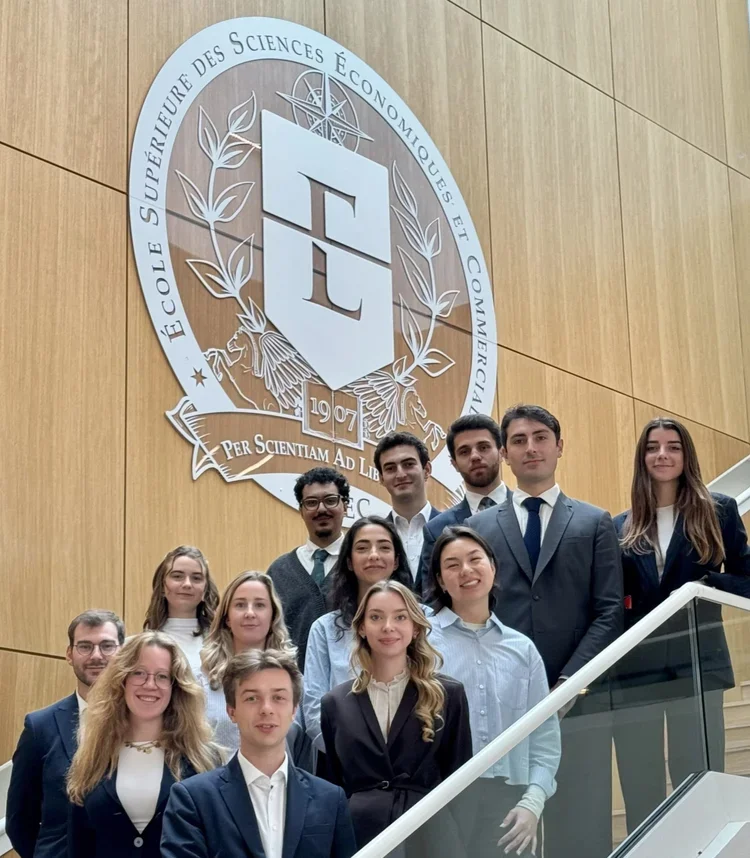
Last month, Junior IMHI welcomed 13 new consultants to the team for 2025-2026! With their fresh ideas and shared passion for hospitality, our growing team is ready to take on new challenges and exciting projects ahead.
Want to collaborate or learn more about our work? Connect with us - we’d love to hear from you!