
Newsletter: April 2026
Editor’s Note
Here in Paris, the shift into spring is impossible to miss. The days are getting longer, terraces are full almost every evening, and the first leaves are returning to the trees. There’s a renewed energy in the city—one that naturally draws people back outside.
In hospitality, this transition is just as tangible. Uniforms lighten, menus evolve, and service extends into new spaces. The change of season brings with it a change in rhythm—both for guests and operators.
This month, we explore how these seasonal shifts translate into broader patterns across global hospitality markets—from the terrace economy in European cities to the surge in demand driven by cherry blossom season in Japan and Spring Break travel flows worldwide.
Thank you, as always, for being part of the Junior IMHI community.
April in Hospitality - Seasonality, Visibility, and Demand Shifts
The Terrace Economy : A Structural Profit Driver
With the return of spring, terraces are not simply reopening—they are reactivating one of the most powerful revenue levers in hospitality.
In Paris, terraces can generate up to 40% of annual revenue, rising to over 50% in peak summer. In high-performing cases, they can reach 80% of total sales during the season —making them not incremental, but structural.
The primary driver is capacity: terraces allow operators to double their number of covers, and in some cases triple their surface area, without increasing fixed costs such as rent. This creates immediate top-line growth with strong operating leverage.
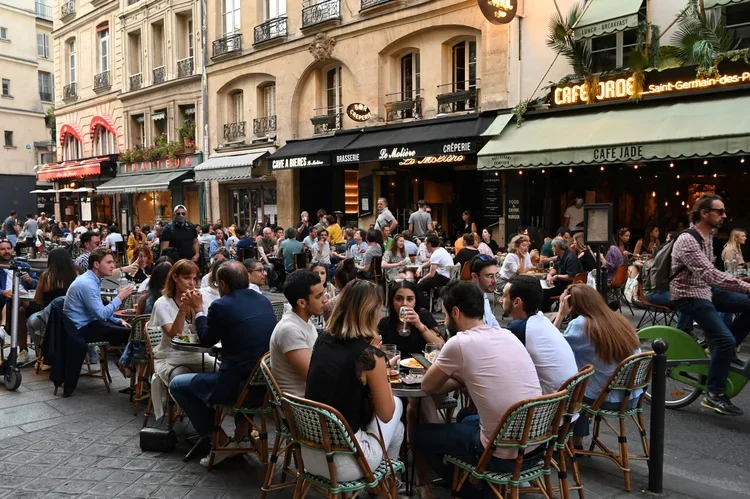
Beyond capacity, terraces act as demand accelerators. In Paris alone, over 15,500 cafés and restaurants hold a terrace license, with 1,600+ new requests annually, highlighting both their importance and competitive intensity.
They also unlock incremental revenue streams across the day—breakfast, afternoon drinks, aperitivo—built on high-margin products, significantly improving profitability.
Finally, terraces are a core driver of tourist demand, shaping restaurant choice and reinforcing pricing power in peak periods .
The strategic implication:
Operators without outdoor capacity are structurally disadvantaged during high-demand periods, while those who actively design and optimize their terrace offering can transform it into a primary engine of revenue, visibility, and brand positioning.
Cherry Blossom Season: A Compressed Demand Shock
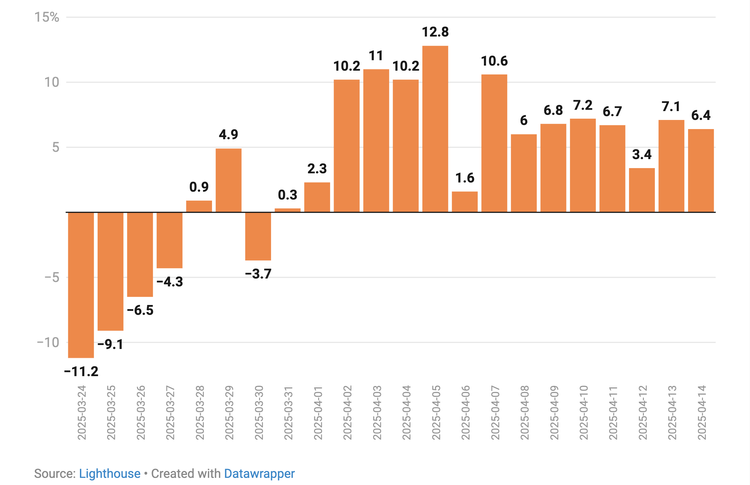
Hotel room price changes in Kyoto
Change in average advertised hotel room prices in Kyoto during cherry blossom season, 24th February 2025 compared to 30 days prior
Cherry blossom season remains one of the most powerful—and predictable—demand spikes in global hospitality, with 2026 expected to continue record post-reopening momentum.
In 2025, demand in Kyoto rose by +49% to +63% YoY during peak bloom (mid-April), with the highest concentration around April 5–6 . This surge is driven in part by international arrivals, which increased by +40.6% YoY in January 2025, a trend expected to carry into 2026 .
Despite this, pricing has not fully caught up: average hotel rates increased by only ~1.7% YoY, while luxury properties achieved stronger gains (+13.3%)—highlighting a significant pricing gap across the market .
On the demand side, the season remains highly compressed (2–3 weeks) and forecast-driven, with travelers booking months in advance and prices in key markets like Kyoto often doubling or tripling as peak bloom approaches .
At the same time, hotels continue to shift toward experience-based monetization—offering sakura-themed packages, hanami experiences, and seasonal F&B to capture incremental spend .
The strategic implication :
Cherry blossom season is a short, high-intensity revenue window, where success depends on forecast-based pricing and experience design.
Spring Break 2026: A U.S.-Driven Demand Wave with Global Impact
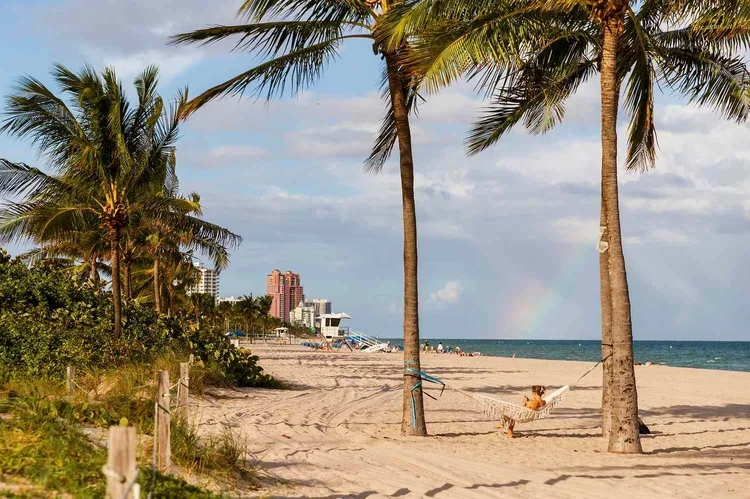
While Spring Break is primarily a U.S. travel phenomenon, its impact is global—driving a concentrated wave of outbound demand over a 4–6 week period.
In 2026, this demand remains centered around sun destinations and major cities. Florida continues to dominate domestically (Orlando, Miami, Fort Lauderdale), with flight prices averaging ~$815 roundtrip (+2% YoY) . At the same time, emerging destinations like Hilo, Hawaii are seeing +60% growth in search demand, reflecting a shift toward nature and value-driven travel .
Internationally, flows concentrate around:
Caribbean & Mexico (Cancún, Punta Cana), supported by strong cruise demand (21.7M passengers expected in 2026)
European capitals (Rome, Paris, Barcelona), benefiting from cultural appeal and competitive airfares (~$1,300 roundtrip, slightly down YoY)
For European operators, this translates into a predictable influx of high-spending U.S. travelers, often booking shorter, experience-focused stays.
The strategic implication:
Spring Break acts as a U.S.-driven demand export, creating a short but highly valuable international revenue window for hospitality players.
IN ONE IMAGE
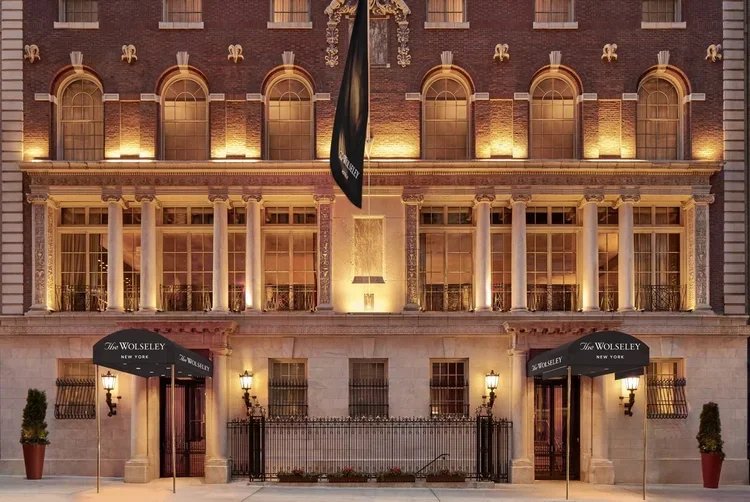
The Wolseley Hotel New York by Minor Hotels
Minor Hotels has officially announced the launch of The Wolseley Hotels, with its inaugural property set to debut in New York City in early 2027. Occupying a landmark 1905 building, this 76-room property will serve as the global flagship for the brand. Beyond its luxury accommodations, the hotel will house the first-ever U.S. location of the iconic Wolseley restaurant, bringing London’s celebrated "Grand Café" culture and polished European sensibility to the heart of Manhattan.
— Mélodie Karabassian [LinkedIn], Senior Consultant
IN ONE NUMBER
207
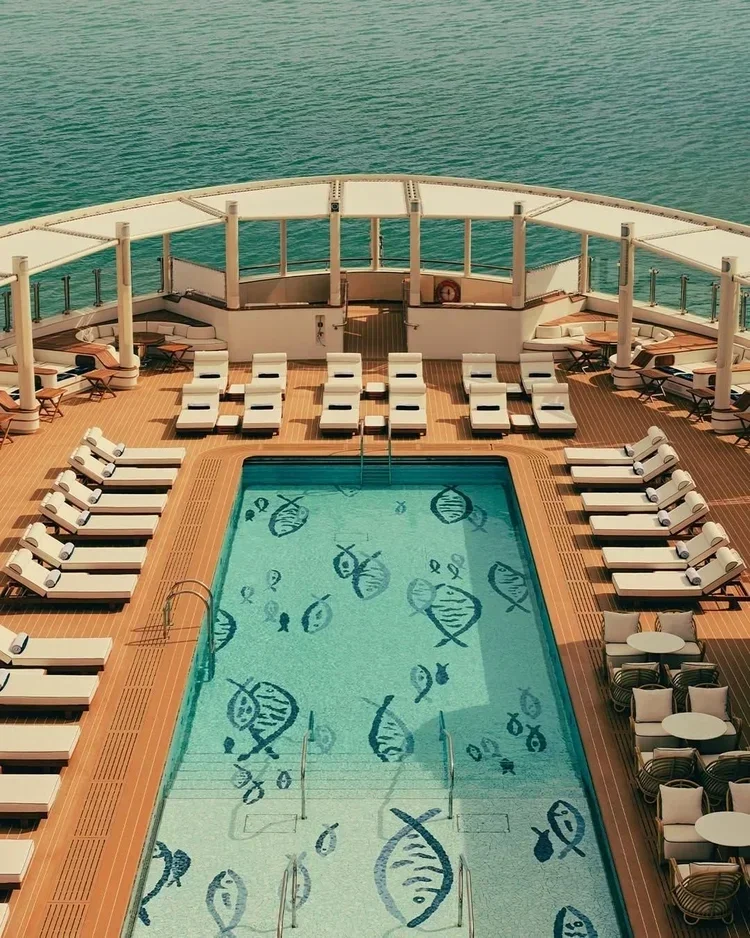
207 meters.
That's the length of the Four Seasons I, the group's first luxury yacht, launched to mark its 60th anniversary. Built at Italy's Fincantieri shipyard, the floating palace houses 95 suites, 11 restaurants and lounges, and a full thermal spa, with a one-to-one guest-to-crew ratio.
— Bruna Vinot [LinkedIn], Business Dev Manager
We Breathe Hospitality
On March 29, members of the Junior IMHI team participated in the 10km des Étoiles in Paris, joining hospitality and tourism professionals in a race supporting medical research and organizations assisting patients and families.
Junior IMHI was also present at the International Hospitality Investment Forum (IHIF EMEA) in Berlin, gaining direct exposure to the trends and conversations shaping the industry.
From Paris to Berlin, we continue to stay closely connected to the hospitality ecosystem—on the ground and at the global level.
Weekly exchanges with industry leaders, insights from hospitality experts, private hotel visits, cross-sector project work, and a growing international alumni network—at ESSEC IMHI, hospitality isn’t just what we study. It’s how we think, analyze, and operate.
We are always eager to engage in new projects and conversations. If you’re looking for thoughtful, fast, and grounded recommendations—rooted in methodical data analysis and on-the-ground industry exposure—don’t hesitate to reach out or follow us on LinkedIn.
They Trust Us