
Newsletter: May 2026
Editor’s Note
In Paris, May feels like the moment summer begins to appear on the horizon. Evenings stretch later, terraces stay full long after dinner, and restaurant kitchens finally pivot toward spring ingredients — white asparagus, strawberries, cherries, peas, and tomatoes that actually taste like tomatoes again. Across hospitality, there’s a noticeable sense of acceleration as hotels, restaurants, and destinations prepare for the season ahead.
This month, we explore two phenomena that become especially visible during this period: the evolution of the Parisian long weekend, and the growing transformation of chefs into cultural brands. From Top Chef to Taste of Paris (May 21–24), gastronomy today operates simultaneously as hospitality, entertainment, and media.
May in Hospitality
The May Escape: Where Parisians Go During Long Weekends
Few countries structure hospitality demand around public holidays quite like France. In May alone, Labor Day (1 May), Victory Day (8 May), Ascension, and Pentecost create a series of long weekends that temporarily empty Paris and redistribute demand across the country.
For hospitality operators, these weekends function almost like “micro-summers.” Trains sell out weeks in advance, short-term rental prices surge, and regional destinations experience concentrated bursts of tourism activity.
This year, a few patterns stand out:
Normandy and the Atlantic Coast remain the classic escape
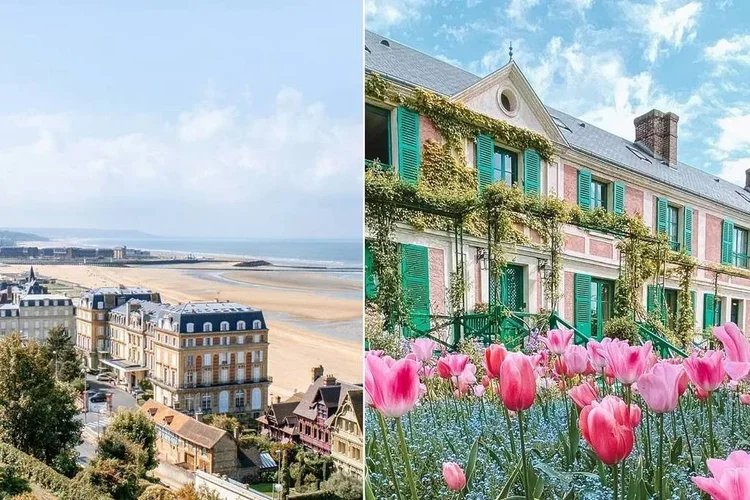
Deauville, Trouville, Honfleur, and Le Touquet continue to attract affluent Parisians seeking proximity and familiarity. Easy train access makes these destinations ideal for two- or three-night stays, especially for families and couples.
The South becomes increasingly “weekendized”
With remote work and flexible schedules becoming normalized, destinations once reserved for summer holidays — Marseille, Cassis, Nice, Biarritz — are now frequent long-weekend destinations. Airlines and rail operators increasingly adapt schedules around these shorter leisure peaks.
Immersive Weekend Experiences
Consumers are moving away from purely destination-based travel and toward thematic travel during weekend trips :
wellness weekends,
gastronomy-focused stays,
countryside boutique hotels,
cycling and hiking retreats,
vineyard tourism,
and curated cultural itineraries.
For hotels and tourism brands, May offers an important strategic opportunity: capturing high-spending domestic travelers before the international summer season fully begins.
Strategic Insight :
The May long weekends illustrate a broader industry shift: guests increasingly prioritize emotional value over duration. A two-night stay today is expected to deliver the same level of personalization, storytelling, and memorability once associated with a week-long vacation.
In many ways, these weekends have become laboratories for experiential hospitality.
From Kitchen to Celebrity: How Chefs Became Hospitality Brands
In France, chefs were once largely invisible figures — respected within the industry, but rarely public personalities. Today, they are brands, storytellers, media personalities, and cultural ambassadors.
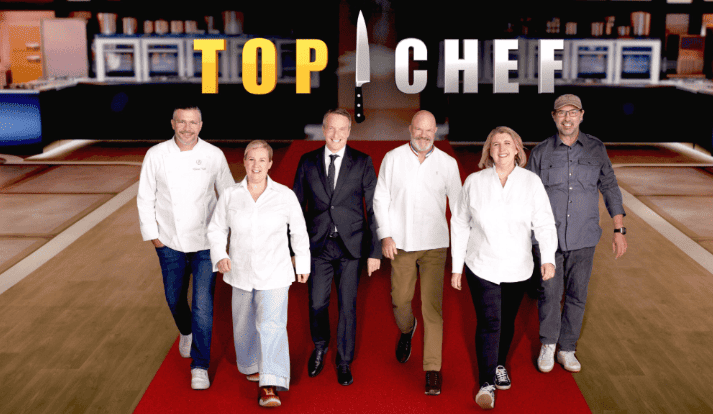
No phenomenon illustrates this transformation better than Top Chef.
Since its launch in 2010, the program has fundamentally changed the visibility of chefs in France, transforming cooks into recognizable public figures and accelerating restaurant growth for contestants almost overnight. Former contestants describe restaurants becoming fully booked within days of appearing on television, while chefs who once worked anonymously in kitchens suddenly found themselves building businesses, product lines, and restaurant groups.
The show’s impact goes beyond entertainment. It has changed the economics of hospitality branding.
The chef is no longer just the cook — the chef is the concept
As one hospitality executive explained during the International Hotel Investment Forum, consumers do not necessarily expect Gordon Ramsay to cook their steak; “the chef has become the brand.”
This distinction is crucial. Modern celebrity chefs create:
trust,
visibility,
media attention,
differentiation,
and emotional attachment.
Restaurants increasingly compete not only on cuisine, but on personality and narrative.
The rise of “chef influence”
The business impact of celebrity chefs is becoming increasingly visible across the hospitality industry. Research on the F&B industry found that celebrity chefs positively influence customer satisfaction, loyalty, and repurchase behavior. Their personal brand strengthens the corporate brand itself, encouraging repeat visits and increasing perceived value.
Another study on culinary destination marketing highlights how chefs influence tourism behavior by acting as trusted cultural intermediaries. In other words, chefs today do not only sell restaurants — they sell destinations.
This is increasingly visible in France:
Alain Ducasse represents luxury French gastronomy internationally,
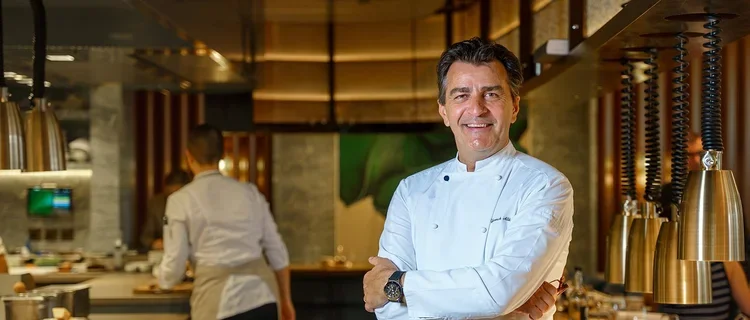
Yannick Alléno embodies technical innovation and haute cuisine prestige,
Philippe Etchebest combines authority with accessibility,
while chefs like Mory Sacko build identity-driven concepts blending cuisine, fashion, music, and culture.
The result is a hospitality ecosystem where chefs function similarly to luxury creative directors.
Taste of Paris: gastronomy as live entertainment
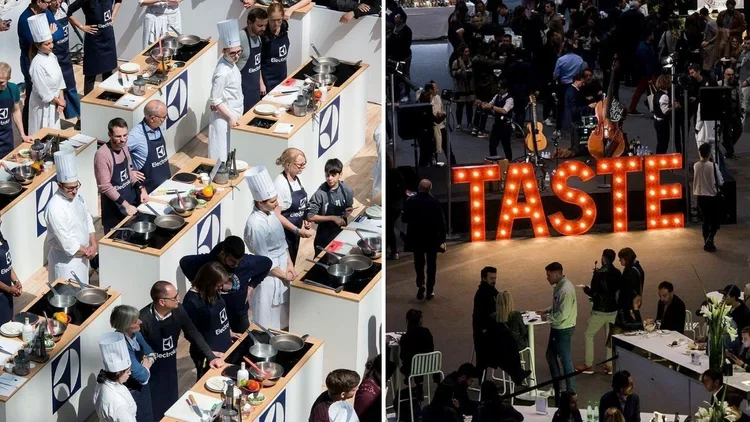
Events like Taste of Paris demonstrate how food itself has become experiential media. The festival gathers Michelin-starred chefs, pastry stars, producers, and brands inside the Grand Palais for tasting menus, live demonstrations, and immersive culinary experiences.
Importantly, visitors are not only consuming food — they are consuming access:
access to chefs,
behind-the-scenes techniques,
storytelling,
and culinary identity.
The success of these formats reflects a larger trend across hospitality: consumers increasingly seek participation over passive consumption.
But is celebrity enough?
Interestingly, the “celebrity chef” model also raises important questions. Industry leaders increasingly argue that personality alone is insufficient without operational consistency and strong restaurant culture.
Recent audience declines for Top Chef itself also suggest that hospitality brands must constantly reinvent how they engage consumers. The public still values chefs — but expectations have evolved. Audiences now demand authenticity, creativity, and deeper storytelling rather than simple celebrity.
Strategic Insight :
The rise of celebrity chefs reflects a much larger industry transformation: hospitality brands are increasingly built around human identity and emotional connection.
Today’s successful hospitality businesses do not only sell products or services. They sell vision, personality, and belonging.
And increasingly, the chef stands at the center of that ecosystem.
IN ONE IMAGE
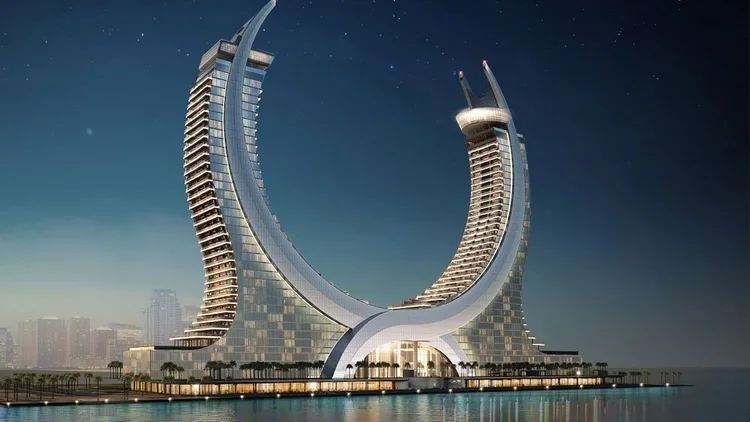
Katara Towers
In Doha, the Katara Towers reflect Qatar’s strategy of using hospitality to drive tourism growth and economic diversification. Developed by Katara Hospitality, the landmark combines Raffles Doha and Fairmont Doha within a single integrated destination of over 600 rooms, restaurants, wellness, and event spaces. The dual-brand model targets multiple luxury segments while benefiting from shared infrastructure and operational efficiencies — illustrating how hospitality assets are increasingly designed as complete ecosystems rather than standalone hotels.
— Hippolyte Squinabol [LinkedIn], Senior Consultant
IN ONE NUMBER
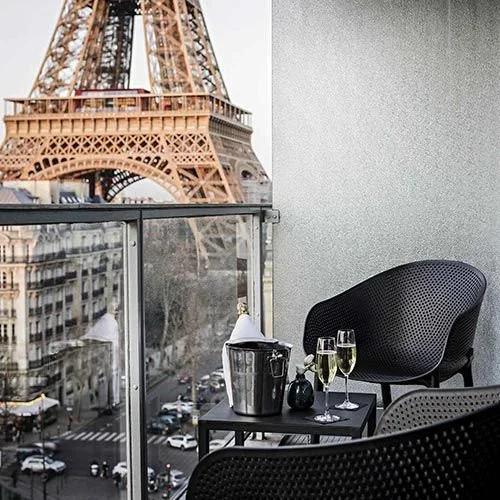
30.4
30.4% — that is the per-key appreciation recorded on the Pullman Paris Tour Eiffel in just thirteen months. Acquired in March 2024 at approximately €767,000 per key, the 435-room asset was sold in April 2026 for over €1 million per key, generating more than €100 million in capital gain.
— Marius Torrent [LinkedIn], Senior Consultant
We Breathe Hospitality
Weekly exchanges with industry leaders, insights from hospitality experts, private hotel visits, cross-sector project work, and a growing international alumni network—at ESSEC IMHI, hospitality isn’t just what we study. It’s how we think, analyze, and operate.
We are always eager to engage in new projects and conversations. If you’re looking for thoughtful, fast, and grounded recommendations—rooted in methodical data analysis and on-the-ground industry exposure—don’t hesitate to reach out or follow us on LinkedIn.
They Trust Us